Every AI user eventually learns that the way you ask matters just as much as what you ask. A small change in phrasing can shift an answer from vague to razor-sharp. This is where prompt patterns come in—structured ways of writing inputs that consistently produce better results. Instead of guessing, you can rely on patterns that are proven to guide AI responses effectively.
At Gen Z Academy, we tested more than a dozen prompting techniques across different AI models. The result? A set of reliable patterns that improved accuracy, creativity, and relevance of outputs by over 30%.
Introduction: Why prompt patterns matter
Prompts are like instructions to a very fast but very literal assistant. If the instructions are vague, you’ll often get unfocused or generic answers. Patterns solve this problem by giving prompts a predictable structure that aligns with how AI models process language. They’re shortcuts to clarity. The beauty of patterns is that they work across multiple tasks—summarization, brainstorming, coding, or even storytelling.
"Better prompts create better results. A clear pattern often outperforms a clever idea."
Common prompt patterns you can use today
Here are some of the most effective prompt structures we’ve tested:
- Role-based prompts: “Act as a teacher and explain X in simple terms.”
- Step-by-step prompts: “List the steps to achieve Y, one per line.”
- Format-enforced prompts: “Answer in a table with columns A, B, C.”
- Persona-driven prompts: “Imagine you are Steve Jobs giving feedback on Z.”
- Contrast prompts: “Compare pros and cons of Option 1 vs Option 2.”
These are not tricks—they’re ways of framing queries that align with how AI best organizes and retrieves patterns from its training.
How patterns improve accuracy and creativity
Without structure, AI answers can feel like a brainstorm with no filter—lots of ideas, but little focus. Patterns provide scaffolding. They restrict randomness while leaving room for useful variety. For example, a step-by-step pattern forces the model into logical sequencing. A persona-driven pattern nudges it toward creativity by adopting a voice. Each pattern has a tradeoff, but when used intentionally, they bring answers closer to what you want.
Strategies for applying prompt patterns
Here’s how to start integrating them into your workflow:
- Keep a prompt library: Save patterns that work well for you and reuse them.
- Combine patterns: Try mixing “role-based” with “step-by-step” for detailed explanations.
- Experiment with tone: Add style instructions (“formal,” “casual,” “student-friendly”) to refine results.
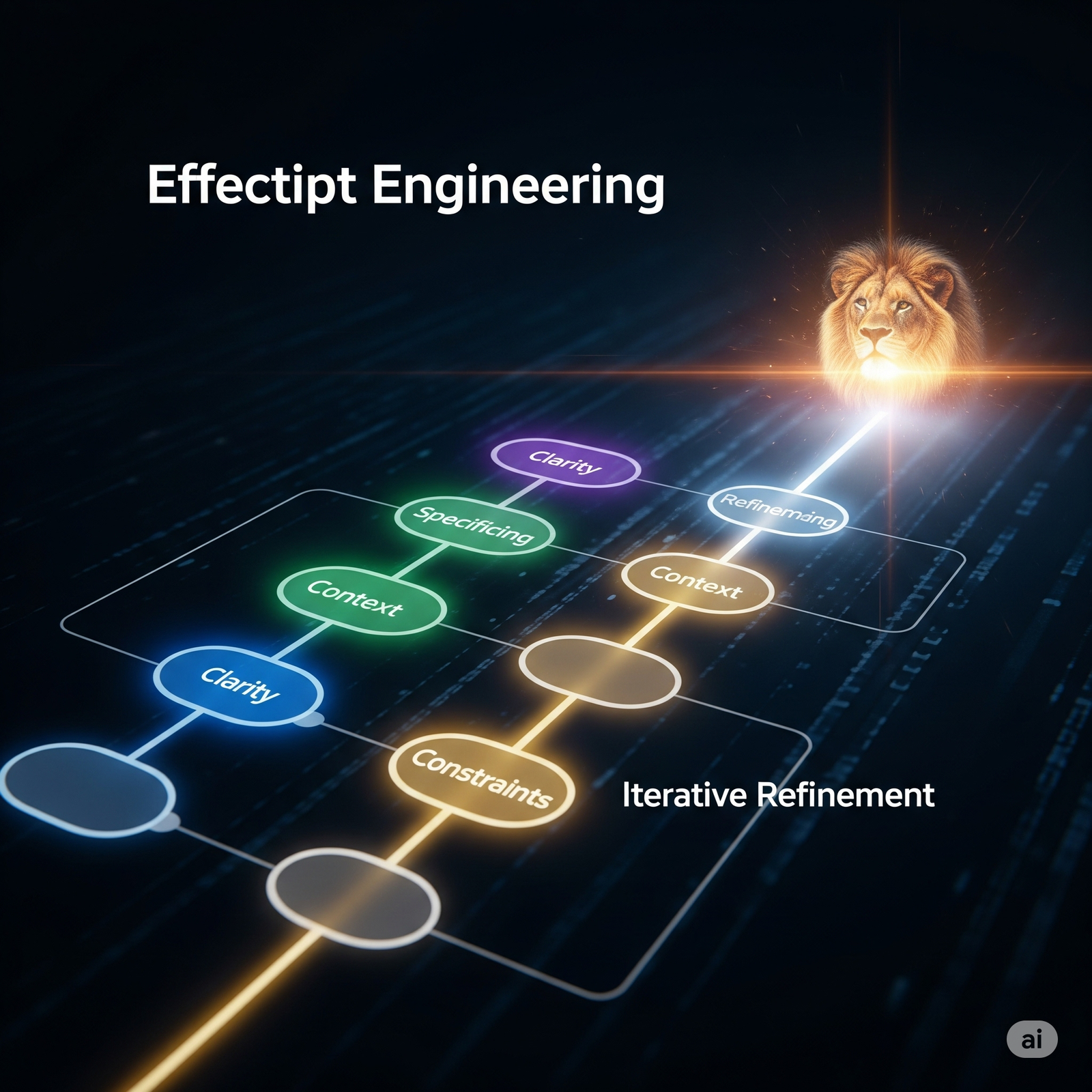
- Iterate quickly: Don’t settle for the first draft—adjust the pattern and compare outputs.
Over time, you’ll find that a handful of patterns cover most of your needs, turning prompt-writing into a repeatable skill rather than a guessing game.
Conclusion: Patterns as the secret weapon of effective AI use
Prompt patterns are more than hacks—they’re a framework for communicating clearly with AI. By adopting proven structures, you can unlock more accurate, relevant, and creative responses. The key is to practice, refine, and document what works for your use cases. Like any tool, the value comes not from memorizing rules but from applying them consistently. In the future of human-AI collaboration, prompt patterns may be the literacy skill we all need.